Your Cart is Empty
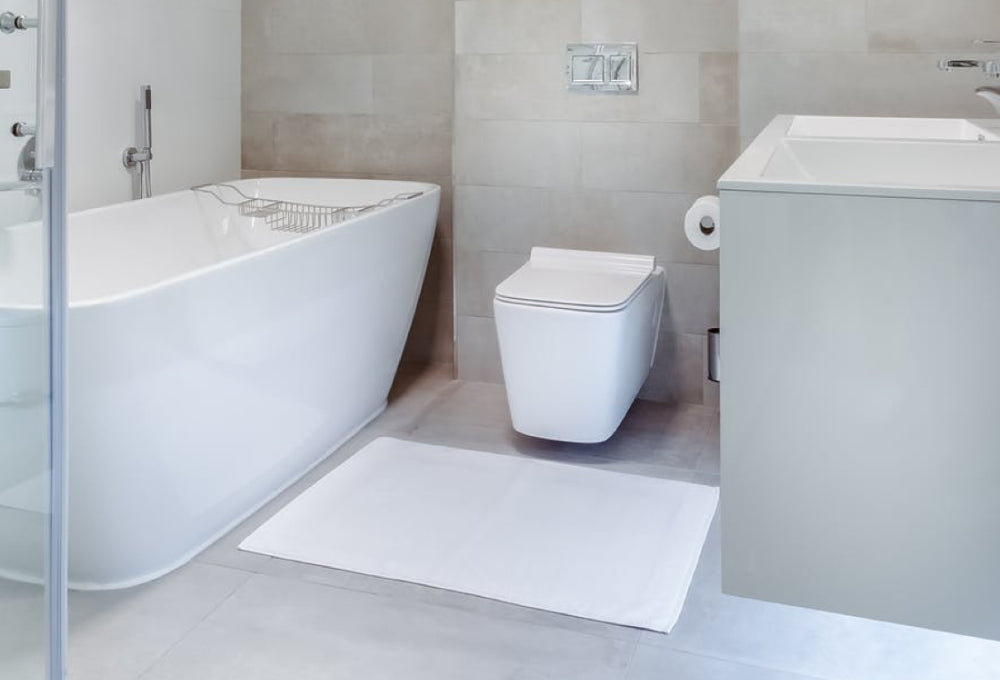
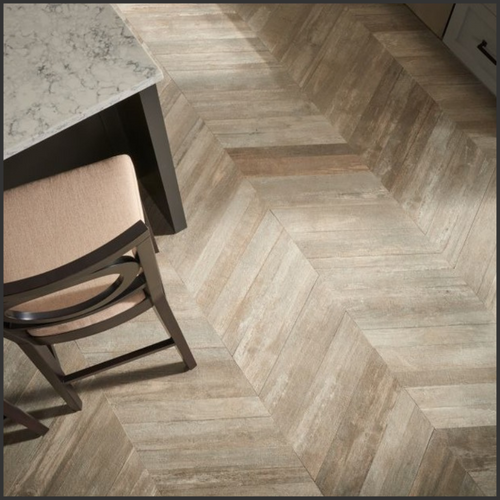
Heated tile is a flooring system that warms your floors. This works by a contractor placing heating coils under your floors in either a wet or dry method. Most homeowners tend to use the dry method when they have existing floors that don’t need to be upgraded. In the dry system, radiant heating wires are placed between subfloors to protect it from damage and provide adequate heating. The wet system works by rolls of the wiring is placed and encased in cement to keep it safe from any possible damage.
To most people’s surprise, you don’t have to heat all the flooring in a room to have the desired heating effect. This means in a bathroom, you can place the heating around the bathtub, or in front of the sink to create a warm sensation throughout the entire room. Wet areas like these benefit the most from in-floor heating.
By cutting down on the areas that need a radiant heating system, you can save a ton of money on your electric bill each month. With warm areas in the flooring throughout your home, you’re less likely to crank up the heat than you would without heated tile. Any type of room with this system will heat up with even the slightest bit of warmth radiating from the floor, as heat tends to rise.
As previously mentioned, heated floors can cut down on electricity costs and make your home more energy-efficient. These areas can hold heat extremely well without having to raise the temperature in the room. It can feel incredible to wake up in the morning and start your day by stepping onto a heated surface. Heated tiles are an incredible investment for those wanting to have additional heat in the winter without having to pay more for energy costs.
Heated tile isn’t just for the bathroom anymore. There are several rooms in your home that can benefit from installing radiant floor heating. These include your bedroom, living room, a walk-in closet, entryways and even seasonal porches. These areas will tend to get colder more frequently and could use an additional heating system that you won’t need to raise the thermostat for. From now on, any room will have the additional comfort of radiant floor heating.

For 50 years, Benjamin Moore's Historical Color Collection has brought the character of 18th- and 19th-century design into modern homes. From the quiet confidence of Stonington Gray to the bold statement of Heritage Red, these are the shades that never go out of style. Take a look back at where the collection began, and discover the ten colors still shaping homes today.

Discover First Crush CSP‑310 from the Benjamin Moore Color Trends 2026 palette. Learn pairing ideas, similar hues, and expert guidance from Standard Paint & Flooring, your trusted Benjamin Moore dealer in Yakima Valley, Washington State & Oregon.

Discover Raindance 1572 from the Benjamin Moore Color Trends 2026 palette. Explore pairing ideas, similar hues, and expert color guidance from Standard Paint & Flooring, Yakima Valley, Washington State & Oregon.